A logo is a useful identifier. A brand is the broader pattern of expectations people build around your business. These eight elements help turn a visual identity into a consistent, meaningful experience.
1. A clear position
Explain what the business offers, who it helps, and why that audience should choose it. A position must reflect the real business, not just an aspirational slogan.
2. A useful audience definition
Understand the people making the decision and the questions they bring. Business owners, buyers, and end users may need different information even when they interact with the same brand.
3. A message hierarchy
Decide which promise comes first and what evidence supports it. Give teams a small set of approved messages so every channel does not have to invent the story again.
4. A recognizable voice
Define how the business sounds in everyday situations. Include examples for a website headline, a support reply, and a difficult update. “Friendly and professional” is a starting point, not a complete guide.
5. A visual system
Typography, color, imagery, spacing, and layout should work together across applications. A visual system helps a presentation, social post, and website feel related without making them identical.
6. Real evidence
Use documented work, product details, and credible explanations to support the story. Never let an attractive identity become a reason to imply outcomes or endorsements you cannot verify.
7. A consistent experience
The inquiry form, onboarding materials, invoices, and customer service are part of the brand too. Review the points where expectations created by marketing meet the actual business experience.
8. Clear ownership
Someone needs to maintain the system and decide how it evolves. Make source files, guidelines, and approval responsibilities easy to find. A brand that no one can use will quickly drift.
Review five real touchpoints. Ask whether they tell the same business story—and whether that story is backed by the experience.
From the work
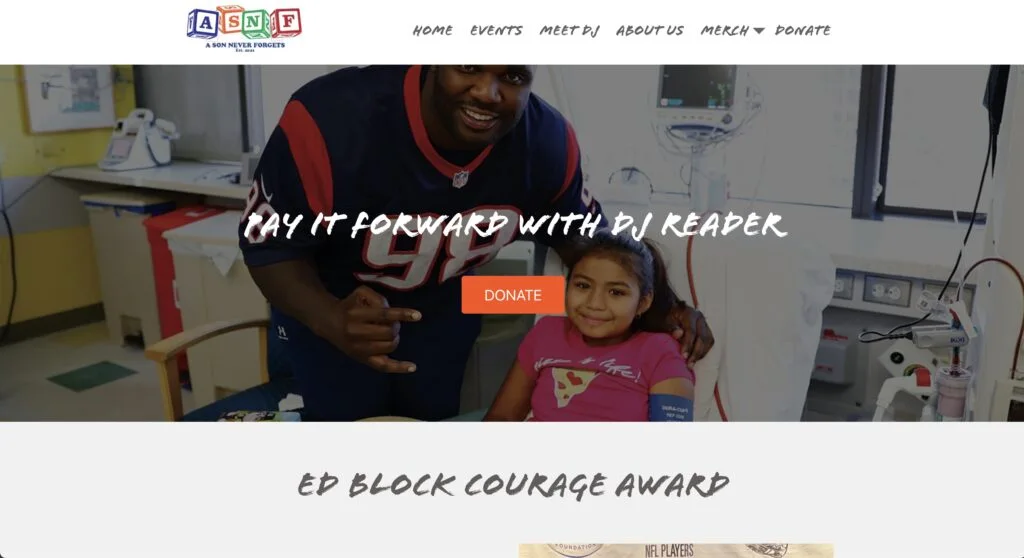
A Son Never Forgets combines identity, mission messaging, guidelines, a website, and event materials. Hellowater’s work spans brand voice, photography, video, web, and social content. A useful identity needs applications, not just a mark.