There is no universal best way to resource marketing. The right model depends on the continuity, range of skills, and coordination your business needs. A combination can be more useful than an either-or decision.
1. Choose in-house for continuity and proximity
An internal team can stay close to operations, customers, and changing priorities. Consider whether you have enough sustained work for the roles you need, plus the time and leadership required to manage specialists.
2. Choose freelancers for focused specialist needs
A freelancer can be a strong fit for a defined production task or a particular skill. Clear briefs, realistic schedules, and internal coordination become important when multiple independent specialists are involved.
3. Choose an agency for coordinated expertise
An agency can bring a range of disciplines into a shared plan. Evaluate relevant experience, scope clarity, access to the actual team, and how the work will connect with your internal decisions. More services alone do not guarantee a better fit.
4. Consider a hybrid model
An internal marketing lead can own business context while an agency supplies specialist execution and freelancers handle defined projects. Make responsibilities explicit so important handoffs do not fall between teams.
5. Compare the coordination burden
Look beyond hourly or project costs. Ask who writes briefs, manages approvals, maintains the brand, and connects reporting to decisions. The model that looks simplest on paper may require more internal management than expected.
6. Start with the work, not the label
List what needs to happen over the next planning period. Separate recurring responsibilities from short-term projects. Then choose the mix of people best suited to that real workload.
Build a responsibility map before choosing a supplier: strategy, production, approvals, publishing, reporting, and improvement.
From the work
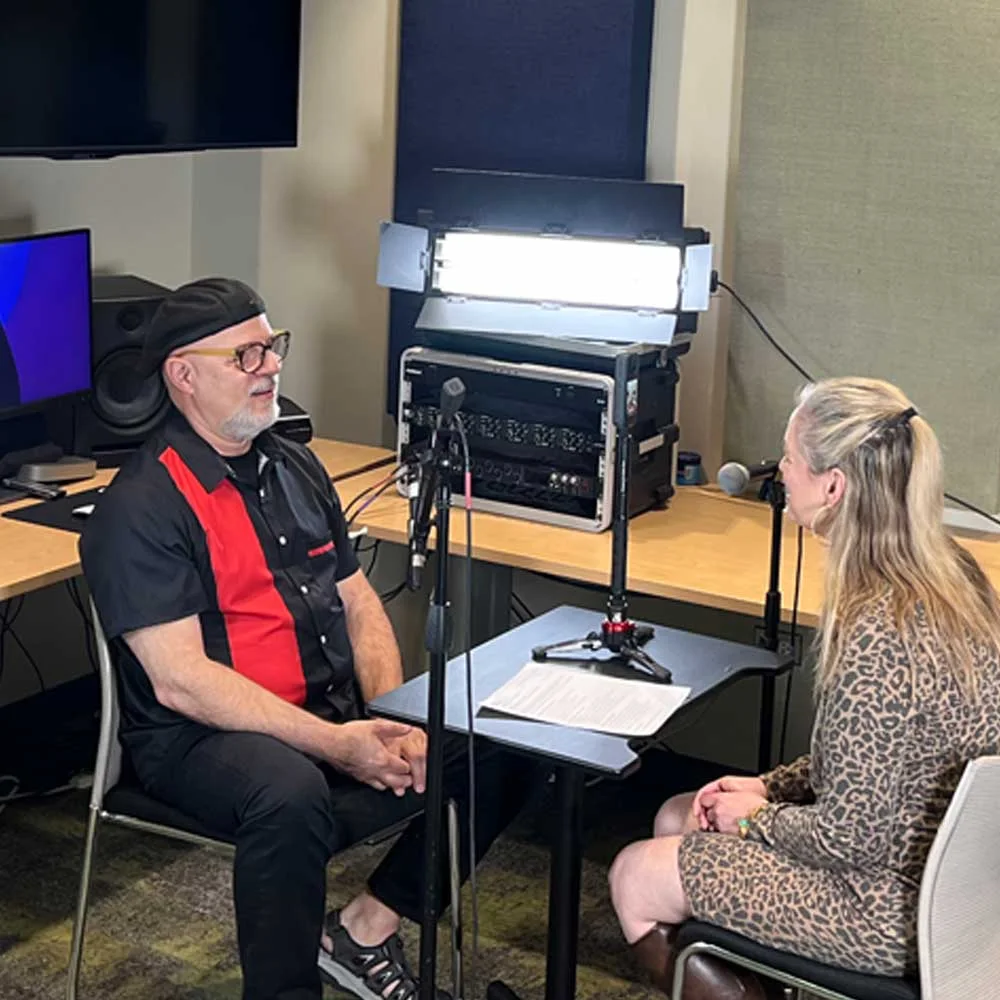
McCorkle’s portfolio shows work across several marketing disciplines. The Westmont Chamber podcast project includes staff training, templates, and editing support. These are different ways to coordinate outside expertise with an organization’s own team.